
Minimal House: New Trends in Interior Design
The concept of minimalism in interior design is not new, but it has gained immense popularity in recent years. A minimal house focuses on simplicity, functionality, and clean lines, creating a serene and clutter-free living environment. This design philosophy is particularly appealing to those seeking a calm and organized space. Let’s explore the new trends in minimal house interior design, with a special focus on how you can incorporate these ideas into your home, whether you are looking for interior design in Jamshedpur or elsewhere.
1. Emphasis on Open Spaces
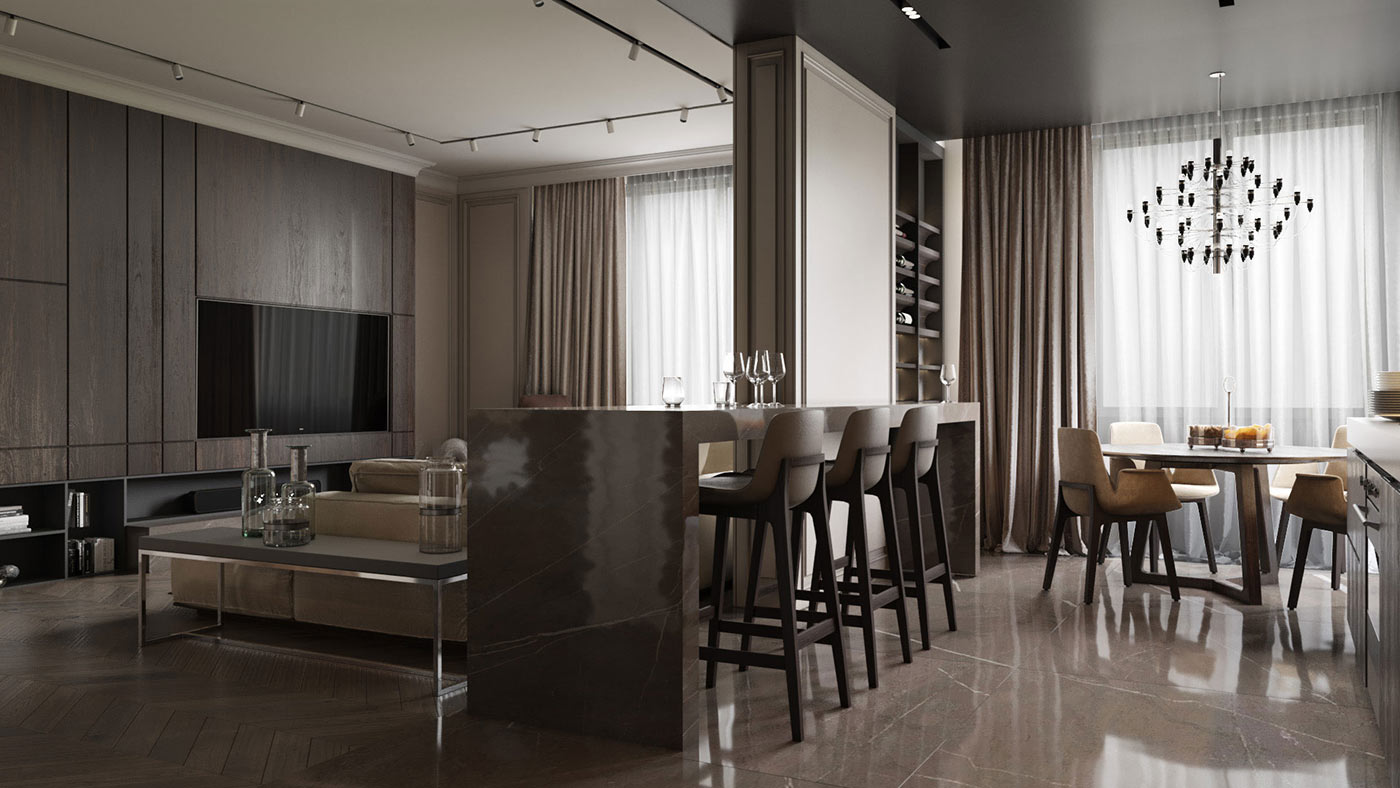
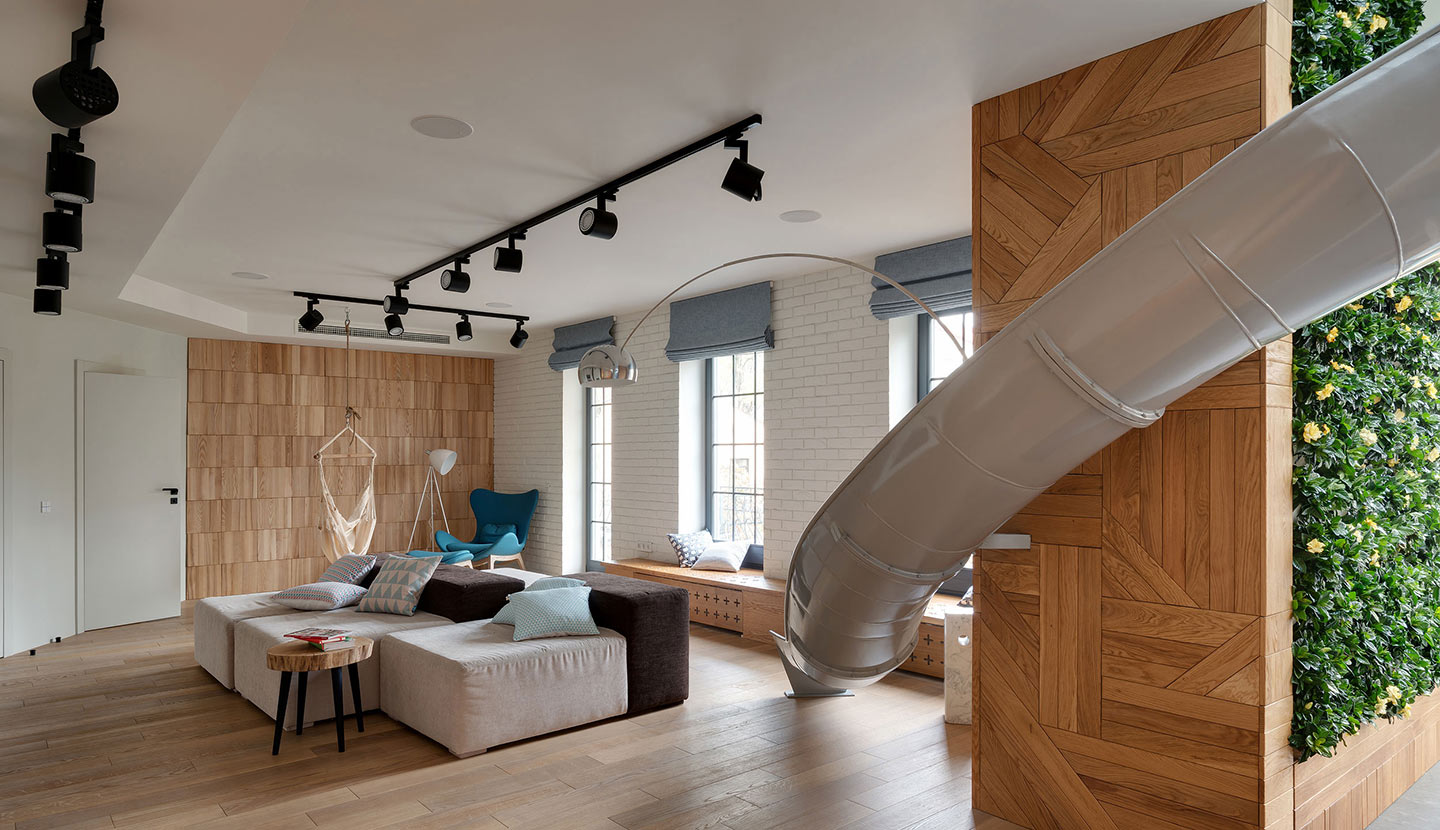
One of the hallmarks of minimal house design is the emphasis on open spaces. By removing unnecessary walls and partitions, you create a more fluid and airy environment. This open concept allows for better light flow and makes the space feel larger and more connected.
Tips for Creating Open Spaces
- Remove non-structural walls: This can instantly open up your living area.
- Use large windows: Maximize natural light to enhance the feeling of openness.
- Furniture arrangement: Opt for versatile furniture that doesn’t obstruct the flow of the room.
2. Neutral Color Palettes
Minimalist interiors often use neutral color palettes, which help create a calm and soothing atmosphere. Shades of white, beige, gray, and soft pastels are commonly used to maintain a clean and cohesive look.
Choosing the Right Colors
- White and beige: Ideal for walls and large furniture pieces.
- Gray and pastels: Great for accents and soft furnishings.
- Consistency: Stick to a limited color palette to avoid visual clutter.
3. Functional Furniture
In minimal house design, furniture is selected for its functionality and simplicity. Each piece should serve a purpose and contribute to the overall aesthetic of the space without overwhelming it.
Selecting Minimalist Furniture
- Multi-functional pieces: Such as sofa beds, extendable tables, and storage ottomans.
- Clean lines: Opt for furniture with simple, sleek lines and avoid excessive ornamentation.
- Quality over quantity: Invest in fewer, but higher quality pieces that will last longer and look better.
4. Decluttering and Organization
A minimalist home is a clutter-free home. This involves not only reducing the number of items but also organizing them in a way that maintains the clean aesthetic.
Strategies for Decluttering
- Regular purging: Periodically go through your belongings and remove items you no longer need.
- Hidden storage: Use built-in cabinets and storage solutions that keep items out of sight.
- Organizational tools: Utilize baskets, boxes, and drawer dividers to keep things organized.
5. Natural Materials and Textures
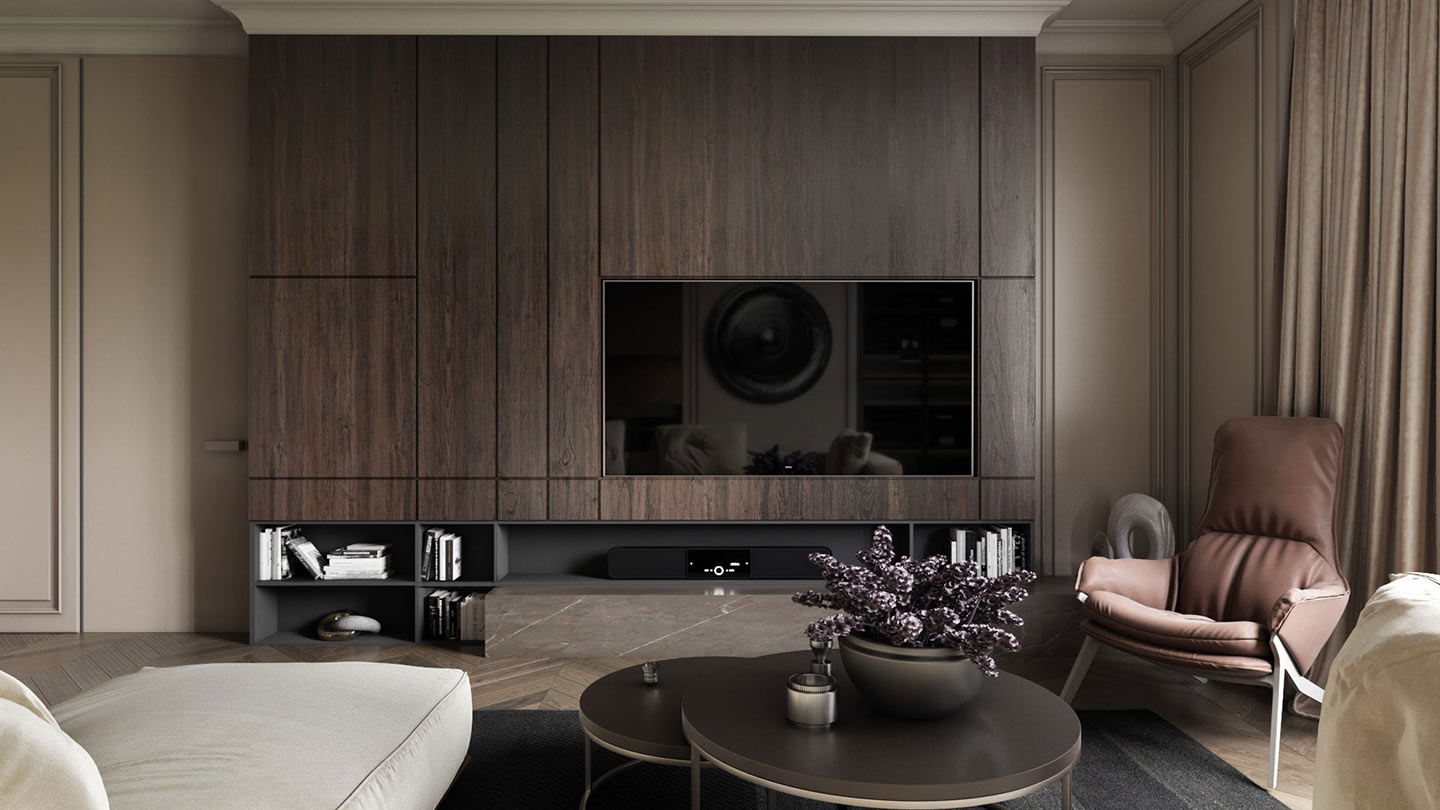
Incorporating natural materials and textures can add warmth and depth to a minimalist space. Wood, stone, linen, and cotton are popular choices that align well with the minimalist ethos.
Integrating Natural Elements
- Wooden furniture: Adds warmth and contrast to neutral color schemes.
- Stone accents: Such as marble countertops or stone tiles.
- Textiles: Use natural fibers like cotton and linen for upholstery, rugs, and curtains.
6. Minimalist Lighting
Lighting plays a crucial role in minimalist interior design. The goal is to enhance the natural light and use artificial lighting that complements the minimalist aesthetic.
Lighting Techniques
- Natural light: Maximize through large windows and skylights.
- Simple fixtures: Choose lighting fixtures with clean lines and minimal details.
- Layered lighting: Combine ambient, task, and accent lighting to create a balanced and functional space.
7. Incorporating Greenery
Plants are a great way to bring life and color into a minimalist home without adding clutter. They also improve air quality and add a touch of nature to your interiors.
Tips for Adding Greenery
- Low-maintenance plants: Such as succulents, snake plants, and pothos.
- Strategic placement: Use plants to fill empty corners or as focal points.
- Simple pots: Opt for plain, neutral-colored pots that blend with your decor.
8. Art and Decor
While minimalism favors simplicity, it doesn’t mean your home should be devoid of personality. Thoughtfully selected art and decor can add character and interest to your space.
Choosing Minimalist Art and Decor
- Less is more: Choose a few impactful pieces rather than cluttering the walls.
- Simple frames: Opt for plain, unadorned frames that don’t detract from the artwork.
- Functional decor: Items that are both decorative and practical, such as stylish storage containers.
9. Smart Home Integration
Modern minimalism often includes integrating smart home technology. These systems can simplify your life and reduce the number of devices and remotes cluttering your home.
Smart Home Features
- Voice-controlled assistants: Such as Amazon Alexa or Google Home.
- Smart lighting: Automated and programmable lighting systems.
- Home automation: Systems that control heating, cooling, security, and more from a single device.
10. Personalized Minimalism
Finally, remember that minimalism is about creating a space that works for you. It’s important to personalize your minimalist home to reflect your tastes and lifestyle.
Personalizing Your Space
- Meaningful items: Display personal items that have sentimental value.
- Hobbies and interests: Incorporate elements that support your hobbies, such as a reading nook or a music corner.
- Comfort: Ensure that the space is comfortable and livable for you and your family.
Conclusion
Embracing minimal house design can transform your living space into a serene and functional haven. By focusing on open spaces, neutral palettes, functional furniture, and organized living, you can create a minimalist home that is both beautiful and practical. Whether you are seeking interior design in Jamshedpur or any other location, these trends can help you achieve a stylish and harmonious environment. Consult with the best Jamshedpur interior designers to bring your minimalist vision to life and enjoy the benefits of a clutter-free, calming home. Happy decorating!